1 / 5
Napoleon III Giltwood Mirror
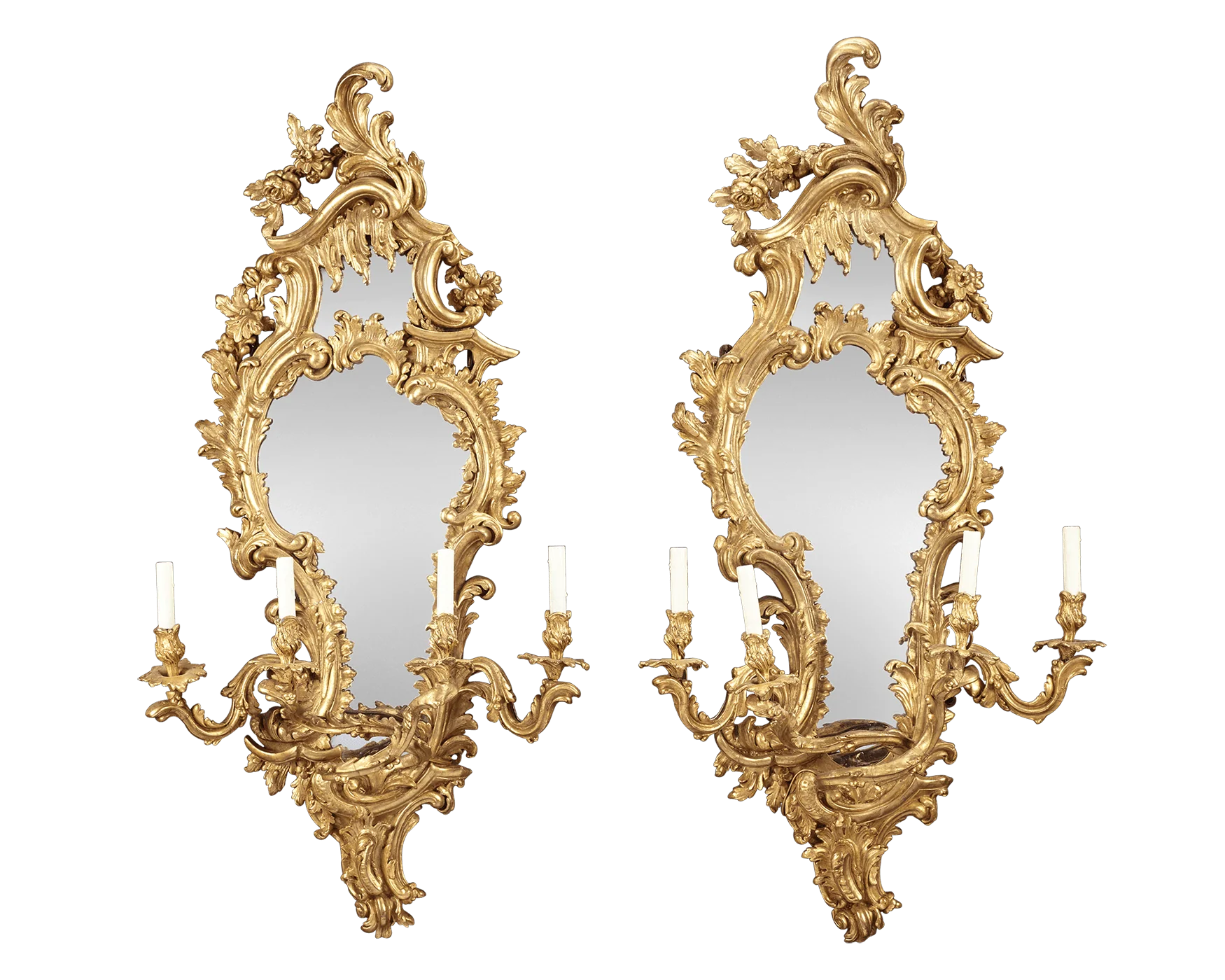
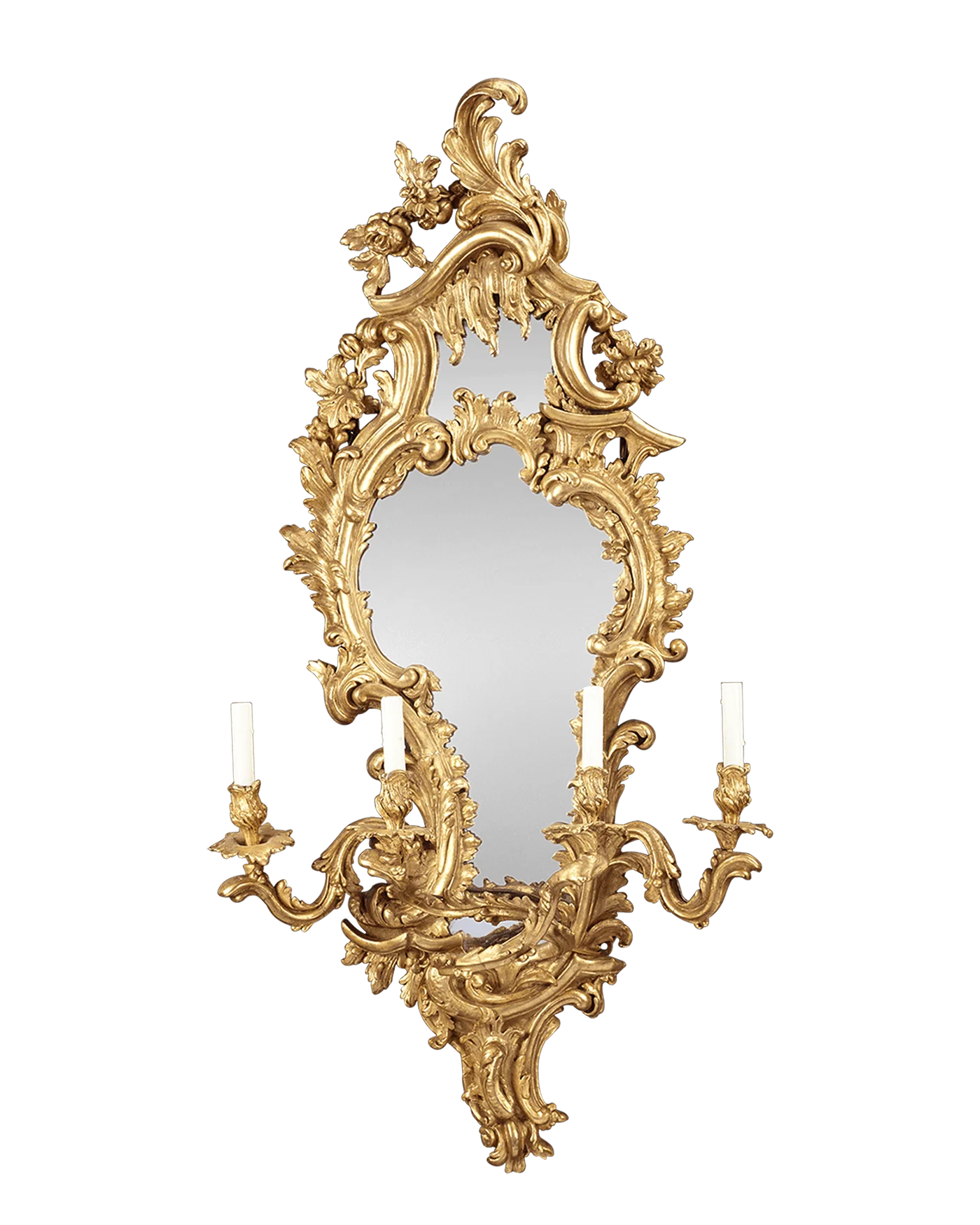
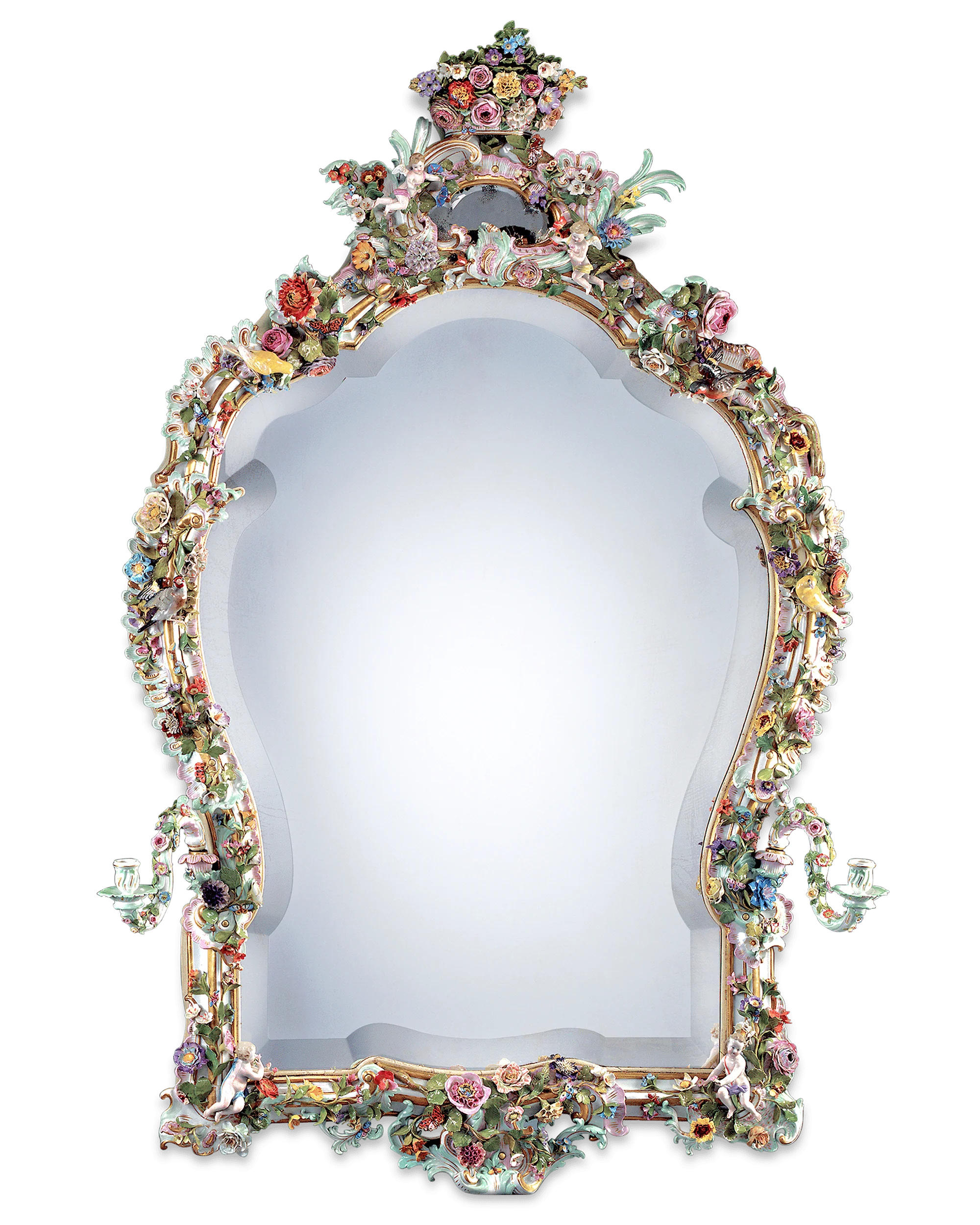
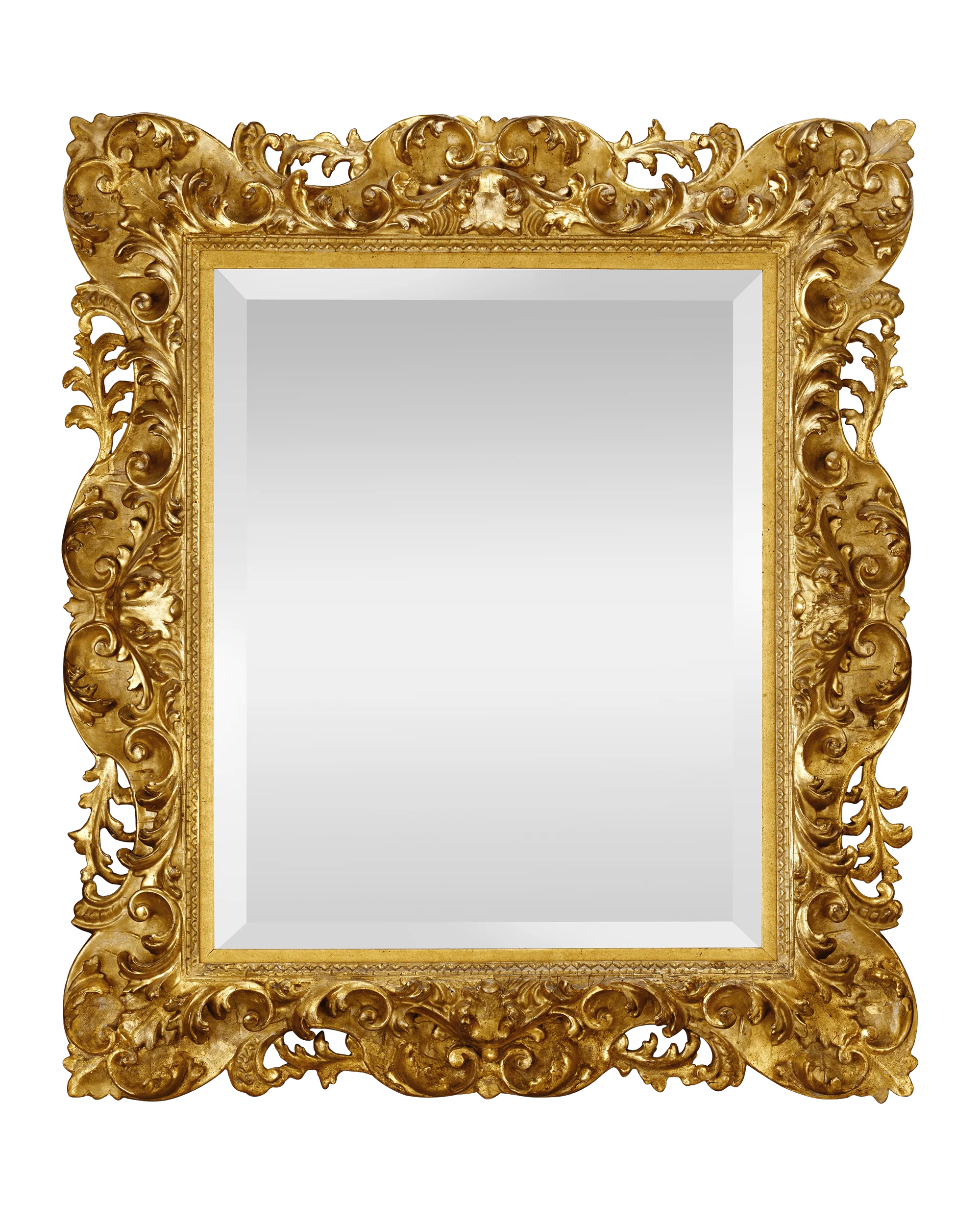
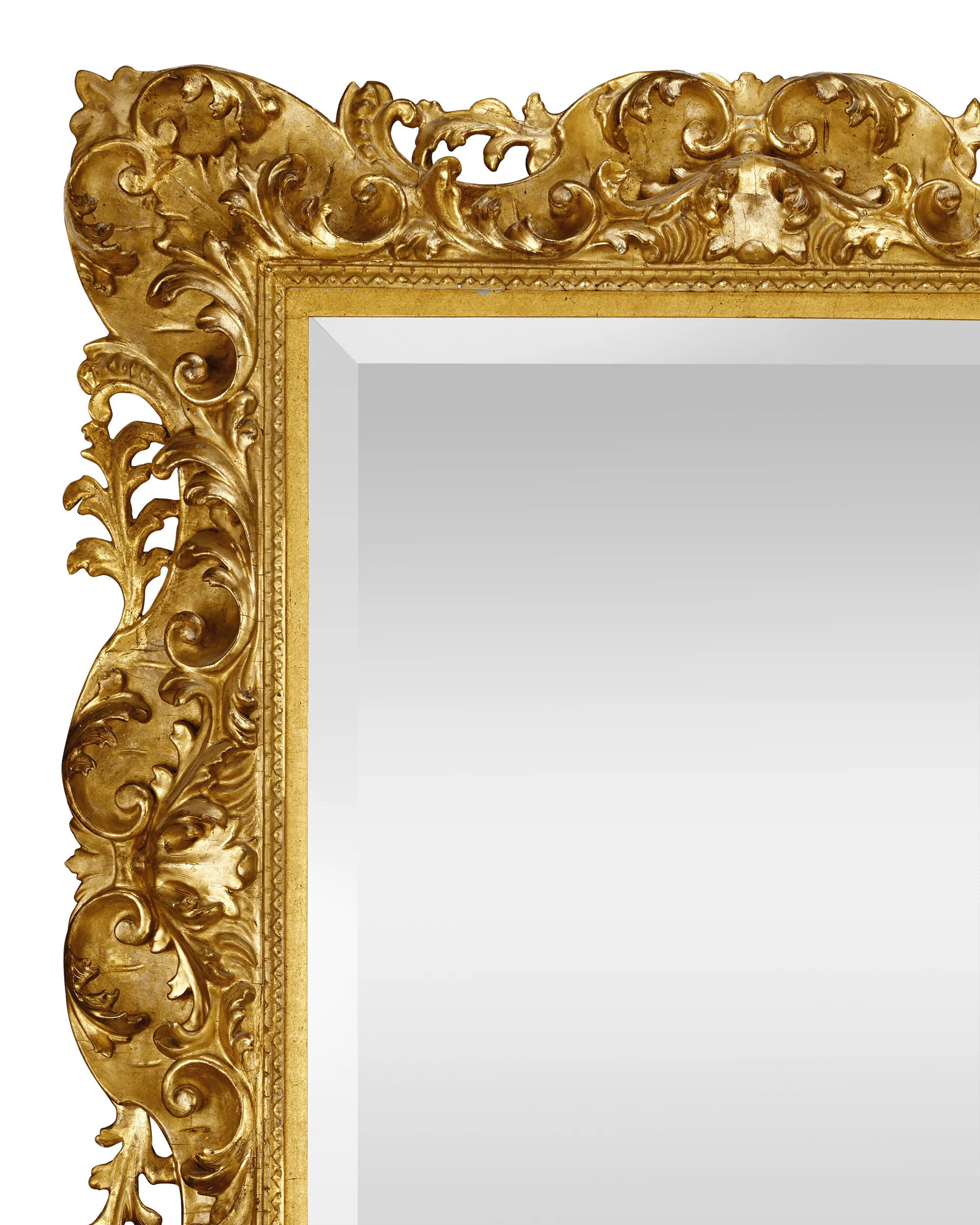
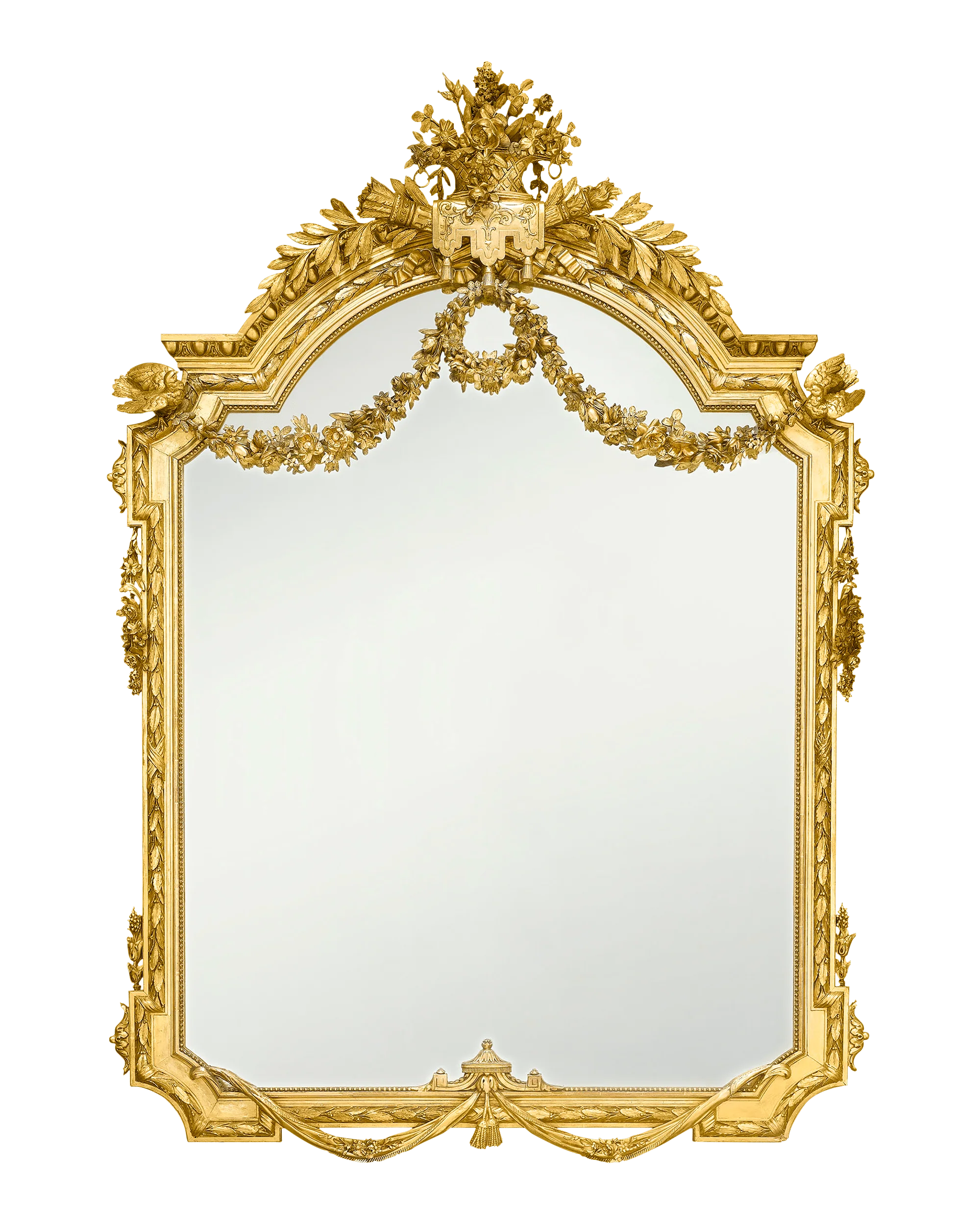
Grand in size and decoration, this exceptional Napoleon III-period mirror is further set apart by an elaborate giltwood frame that features decorative elements such as garlands, doves, a basket of flowers, and Apollo's torch. The magnificent size, expertly executed woodwork and beautiful condition of this mirror make it a prized specimen of 19th-century French design. Costly and labor-intensive to produce, mirrors such as this were considered luxury items, their ownership limited to an exclusive few. The finest were made by the best craftsmen in the area and to find one in such superb condition is truly rare.
Circa 1870
55 1/4" wide x 78" high
Largely due to the influence of Emperor Napoleon III, who wished to have his name associated with the classical grandeur of Rome and cement his place in French history, the decorative style of this period, known as the Second Empire, is distinguished by a vast mixture of styles from previous centuries. Eclecticism reigned as craftsmen revisited the most opulent styles from decades past and created their own elaborate versions. Artisans were inspired by the Renaissance, Henri II furniture, Boulle furniture of the baroque period, rococo and neoclassic Louis XVI furniture. Inspiration also came from the near and far East, as the treasures of China, Japan and Constantinople made their way to Europe.
Circa 1870
55 1/4" wide x 78" high
Largely due to the influence of Emperor Napoleon III, who wished to have his name associated with the classical grandeur of Rome and cement his place in French history, the decorative style of this period, known as the Second Empire, is distinguished by a vast mixture of styles from previous centuries. Eclecticism reigned as craftsmen revisited the most opulent styles from decades past and created their own elaborate versions. Artisans were inspired by the Renaissance, Henri II furniture, Boulle furniture of the baroque period, rococo and neoclassic Louis XVI furniture. Inspiration also came from the near and far East, as the treasures of China, Japan and Constantinople made their way to Europe.
Grand in size and decoration, this exceptional Napoleon III-period mirror is further set apart by an elaborate giltwood frame that features decorative elements such as garlands, doves, a basket of flowers, and Apollo's torch. The magnificent size, expertly executed woodwork and beautiful condition of this mirror make it a prized specimen of 19th-century French design. Costly and labor-intensive to produce, mirrors such as this were considered luxury items, their ownership limited to an exclusive few. The finest were made by the best craftsmen in the area and to find one in such superb condition is truly rare.
Circa 1870
55 1/4" wide x 78" high
Largely due to the influence of Emperor Napoleon III, who wished to have his name associated with the classical grandeur of Rome and cement his place in French history, the decorative style of this period, known as the Second Empire, is distinguished by a vast mixture of styles from previous centuries. Eclecticism reigned as craftsmen revisited the most opulent styles from decades past and created their own elaborate versions. Artisans were inspired by the Renaissance, Henri II furniture, Boulle furniture of the baroque period, rococo and neoclassic Louis XVI furniture. Inspiration also came from the near and far East, as the treasures of China, Japan and Constantinople made their way to Europe.
Circa 1870
55 1/4" wide x 78" high
Largely due to the influence of Emperor Napoleon III, who wished to have his name associated with the classical grandeur of Rome and cement his place in French history, the decorative style of this period, known as the Second Empire, is distinguished by a vast mixture of styles from previous centuries. Eclecticism reigned as craftsmen revisited the most opulent styles from decades past and created their own elaborate versions. Artisans were inspired by the Renaissance, Henri II furniture, Boulle furniture of the baroque period, rococo and neoclassic Louis XVI furniture. Inspiration also came from the near and far East, as the treasures of China, Japan and Constantinople made their way to Europe.
$11,550.00
Original: $38,500.00
-70%Napoleon III Giltwood Mirror—
$38,500.00
$11,550.00Description
Grand in size and decoration, this exceptional Napoleon III-period mirror is further set apart by an elaborate giltwood frame that features decorative elements such as garlands, doves, a basket of flowers, and Apollo's torch. The magnificent size, expertly executed woodwork and beautiful condition of this mirror make it a prized specimen of 19th-century French design. Costly and labor-intensive to produce, mirrors such as this were considered luxury items, their ownership limited to an exclusive few. The finest were made by the best craftsmen in the area and to find one in such superb condition is truly rare.
Circa 1870
55 1/4" wide x 78" high
Largely due to the influence of Emperor Napoleon III, who wished to have his name associated with the classical grandeur of Rome and cement his place in French history, the decorative style of this period, known as the Second Empire, is distinguished by a vast mixture of styles from previous centuries. Eclecticism reigned as craftsmen revisited the most opulent styles from decades past and created their own elaborate versions. Artisans were inspired by the Renaissance, Henri II furniture, Boulle furniture of the baroque period, rococo and neoclassic Louis XVI furniture. Inspiration also came from the near and far East, as the treasures of China, Japan and Constantinople made their way to Europe.
Circa 1870
55 1/4" wide x 78" high
Largely due to the influence of Emperor Napoleon III, who wished to have his name associated with the classical grandeur of Rome and cement his place in French history, the decorative style of this period, known as the Second Empire, is distinguished by a vast mixture of styles from previous centuries. Eclecticism reigned as craftsmen revisited the most opulent styles from decades past and created their own elaborate versions. Artisans were inspired by the Renaissance, Henri II furniture, Boulle furniture of the baroque period, rococo and neoclassic Louis XVI furniture. Inspiration also came from the near and far East, as the treasures of China, Japan and Constantinople made their way to Europe.